X-RHEA
The Real Power of Simulation
X-RHEA è sviluppato in collaborazione da EnginSoft e da Vection Technologies.
X-RHEA è sviluppato in collaborazione da EnginSoft e da Vection Technologies.
X-RHEA (EXtended Reality for Human Engineering Application) è la soluzione immersiva per la visualizzazione e presentazione di dati CAE (Computer-Aided Engineering).
L'obiettivo di X-RHEA è valorizzare la presentazione di studi e simulazioni per velocizzare le sessioni di confronto tra team multidisciplinari e semplificare la comunicazione tecnico-commerciale.
X-RHEA è una suite all'avanguardia per visualizzare nella realtà aumentata qualsiasi risultato di simulazione ingegneristica. Questa innovazione fonde la tradizione con la tecnologia moderna, fornendo uno strumento potente. X-RHEA rivoluziona la comunicazione tecnico-commerciale, trasformando complessi report 2D in esperienze immersive nel metaverso industriale e consentendo l'integrazione dell'Intelligenza Artificiale.

Invia le tue domande ai nostri tecnici specializzati!
Mettiti in contatto con uno dei nostri esperti, che ti potrà fornire risposte certe o consigliare soluzioni affidabili.
CASE STUDY
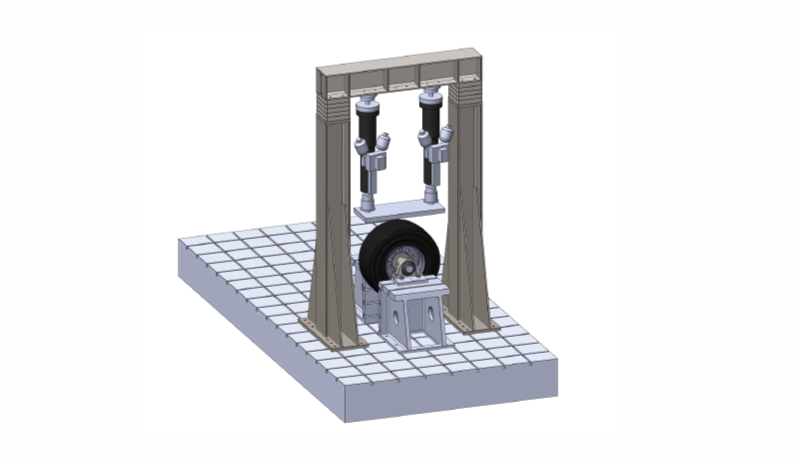
Multibody simulation is integral to engineering, enabling precise analysis of structural loads and dynamic behaviours in complex systems. In the context of forklifts, where tyres play a critical role due to the absence of suspension systems, accurate tyre modelling is essential. This study develops and validates a hysteretic Bouc-Wen model for the radial dynamics of solid rubber tyres to enhance simulation reliability.
multibody recurdyn mechanics automotive

training courses
La nostra offerta formativa sulla tolleranze propone corsi dedicati a tutti gli aspetti: normative ASME-Y14.5 GD&T e ISO/GPS, analisi delle tolleranze, strumenti CAT e metodologie. Il training software Cetol 6σ è indirizzato a tutti coloro che desiderano integrare nella loro azienda un software CAT che sia in grado di calcolare complesse catene delle tolleranze in tempi brevissimi con massima precisione ed affidabilità.
cetol tolerances
CASE STUDY
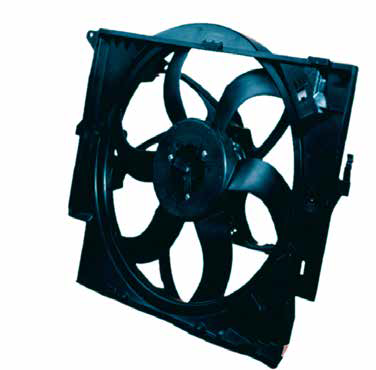
ptimization of the product starts with a strong correlation of the model with specifically designed tests under controlled conditions.
ansys automotive
CASE STUDY
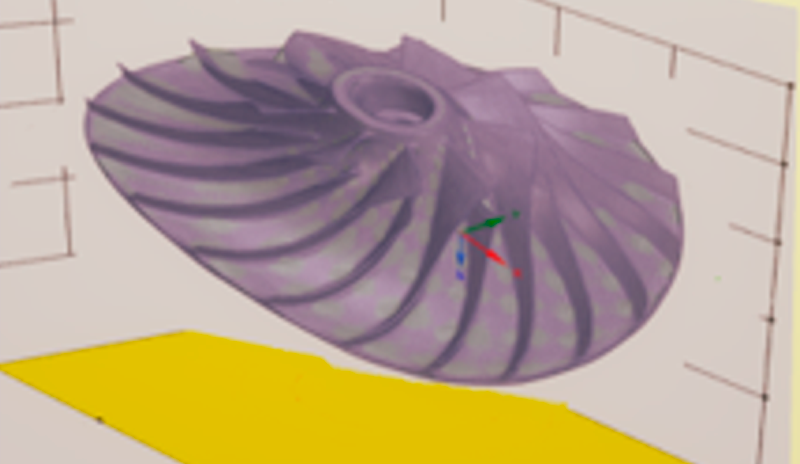
Optimization tools, and specifically response surface methods (RSM), can be adapted very well in the design process to provide information around the design of a compressor stage. This article will cover two of the possible optimization uses: the search of optimum performance and data generation.
modefrontier optimization mechanics

CASE STUDY
Further reduction of the heat loss compared to the best design of the NSGA-II first phase design optimization: a further 4% gained
cfd biomechanics ansys modefrontier optimization