Multiscale.Sim | Multiscale analysis system
A new tool for Ansys that facilitates materials testing and microscopic analysis of composite materials

Multiscale.Sim is a product of Cybernet Systems Co.
Multiscale.Sim is a product of Cybernet Systems Co.
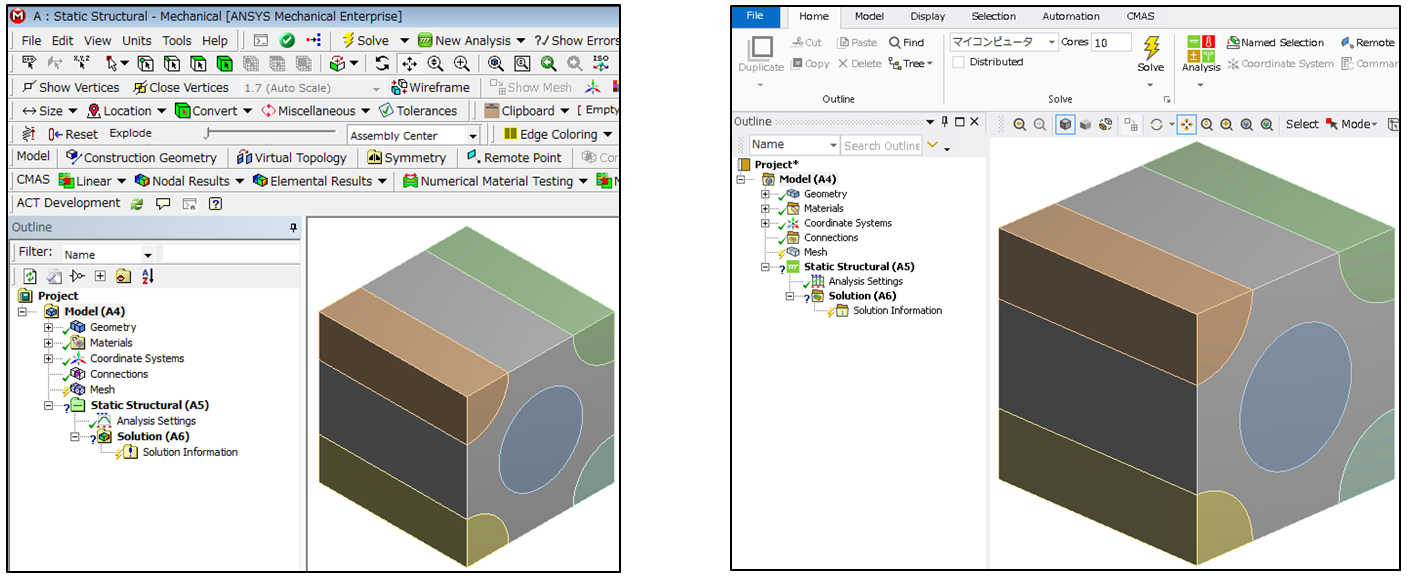
The multiscale analysis technique is designed to overcome complex materials problems. Using this technique, all material constants can be evaluated without expensive experimental campaigns. Cybernet Systems Co. has developed a multiscale analysis CAE tool called the “Multiscale.Sim”. Multiscale.Sim has been embedded in the Ansys Workbench GUI using the Ansys Customization Toolkit (ACT) techniques, making it very easy to use and allowing it to offer leading high-performance productivity for Ansys Workbench users. The Multiscale.Sim tool can help engineers to resolve challenges around materials modeling and characterization.
Using the two functions of homogenization and localization analyses makes it possible to perform a multiscale analysis of the inhomogeneous material microstructure of a composite material, such as fiber-reinforced plastic or metal, honeycomb, filler dispersion, lattice structures, and so on.
Material property values are calculated by numerical material test of micro structure without material tests that were required conventionally. The results enable prediction of the macroscopic behaviour by the macro structural analysis. Further, it is possible to predict the microscopic behaviour by going back to the micro structure analysis again.


Send your technical questions to our experts!
Connect you with an EnginSoft expert who can provide a reliable answer to your technical question or recommend a
proven solution.

CASE STUDY
This article introduces a case study on the waterproofing of an automotive air conditioning system for rainy conditions using Particleworks, a particle method CFD software.
particleworks automotive
CASE STUDY
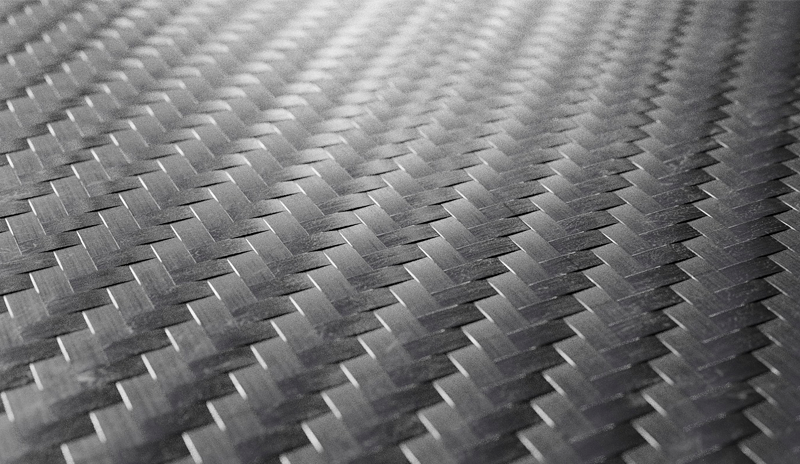
This technical article discusses some of the problems of using finite element method (FEM) simulation software for composite material analysis and introduces new solutions from CYBERNET with Ansys Software for solving these problems.
composites ansys multiscale

CASE STUDY
This article describes how the company created and tested a process to construct a parametric CAD model capable of providing its designers with a starting point for any new machine to be designed.
mechanics ansys modefrontier maplesim maple

CASE STUDY
This technical article describes a human body model (HBM) wizard developed for RecurDyn and discusses what is already possible and what is in the development pipeline for the near future. Biomotion Solutions provides software to quickly build HBMs in industrial-grade simulation packages.
multibody recurdyn industry4 biomechanics
CASE STUDY
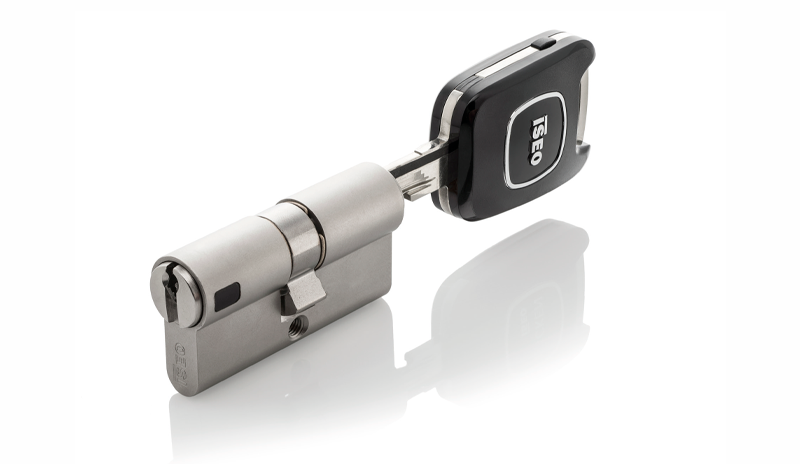
This case study describes ISEO’s project to introduce a global dimensional management approach based on CETOL6σ that starts from the product concept phase and includes design development and prototyping and extends on to cover all other phases of production through to the finished product, with the guidance and support of EnginSoft.
tolerances cetol mechanics
