SDC Verifier
Verifica strutturale in accordo agli Standard normativi

SDC Verifier è sviluppato dall'omonima software house
SDC Verifier è sviluppato dall'omonima software house
La verifica strutturale nel rispetto delle normative di riferimento è un aspetto fondamentale per l'ingegnere strutturista. SDC Verifier è un software all-in-one che consente agli ingegneri di semplificare la progettazione strutturale, l'analisi FEA e la verifica in accordo agli standard.
La tecnologia di SDC Verifier consente di eseguire uno studio approfondito sulle strutture di grandi assiemi, modellati con elementi Beam, Shell e Solid. Inoltre, è in grado di riconoscere automaticamente giunti e saldature per eseguire correttamente le verifiche secondo normativa.
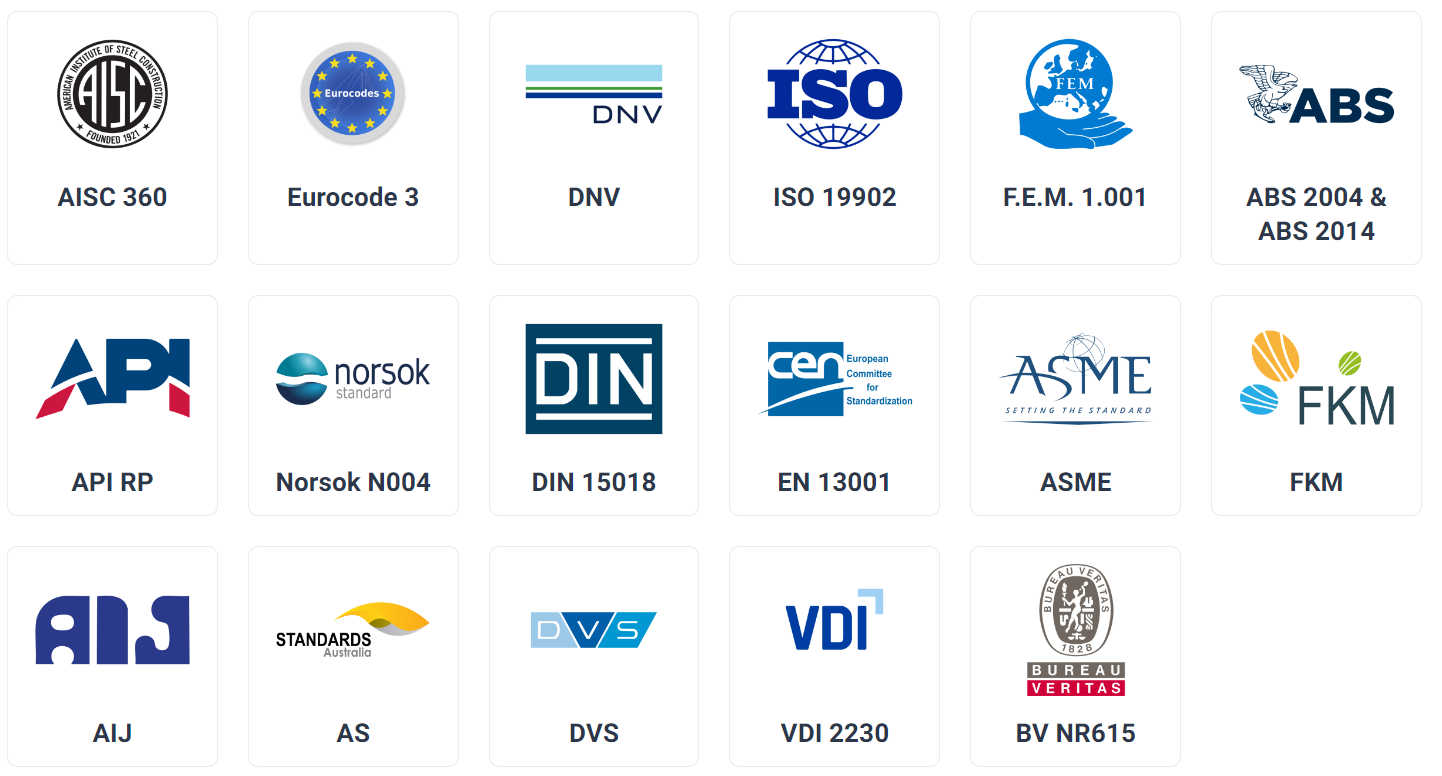
SDC Verifier consente di effettuare verifiche strutturali nel rispetto delle seguenti norme:
 Richiedi una demo gratuita
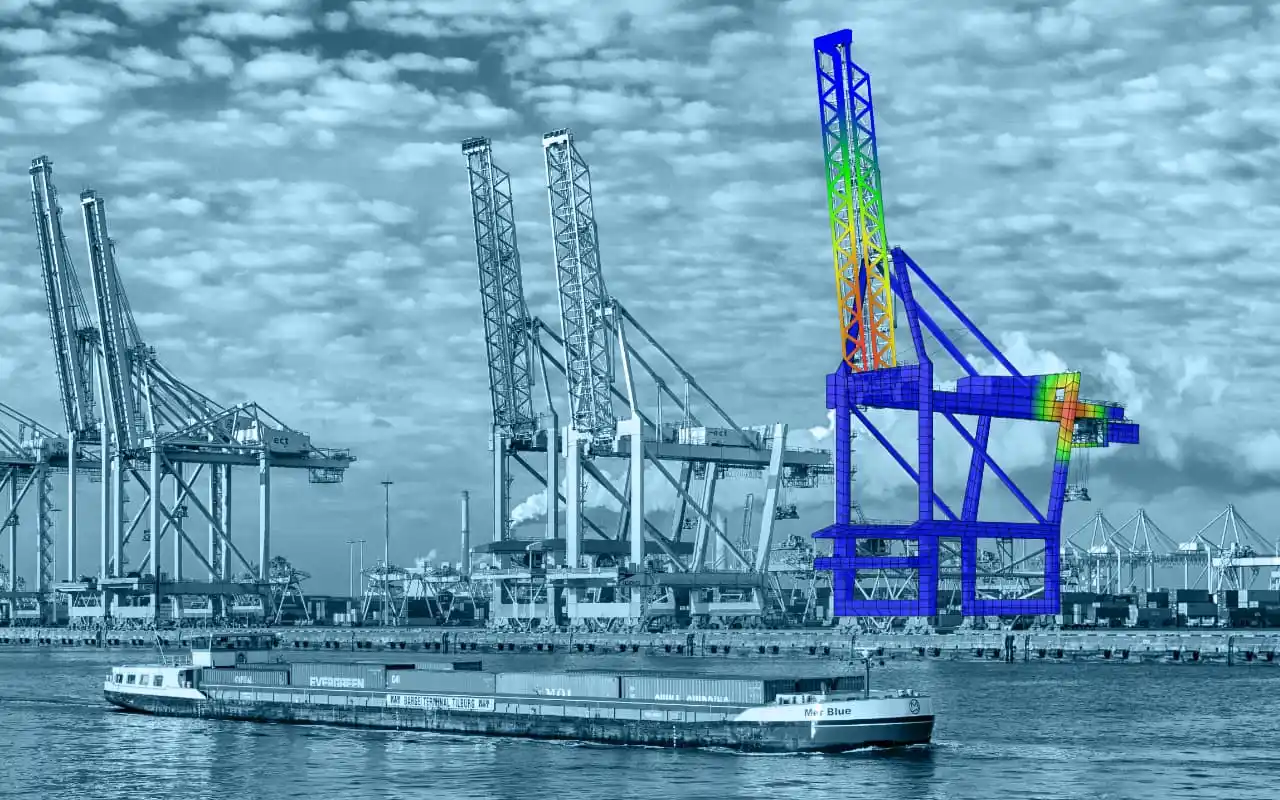
Combina modellazione, analisi FEA, verifica normativa e generazione di report, eliminando la necessità di più strumenti software.
Funziona perfettamente con i principali software FEA: Ansys, Femap e Simcenter 3D.
Semplifica le attività di routine, inclusi i controlli delle norme di progettazione, i calcoli delle combinazioni di carico, il riconoscimento degli elementi strutturali e la generazione di report.
Fornisce risultati affidabili ed accurati.
Copre oltre 40 standard specifici del settore per applicazioni globali.
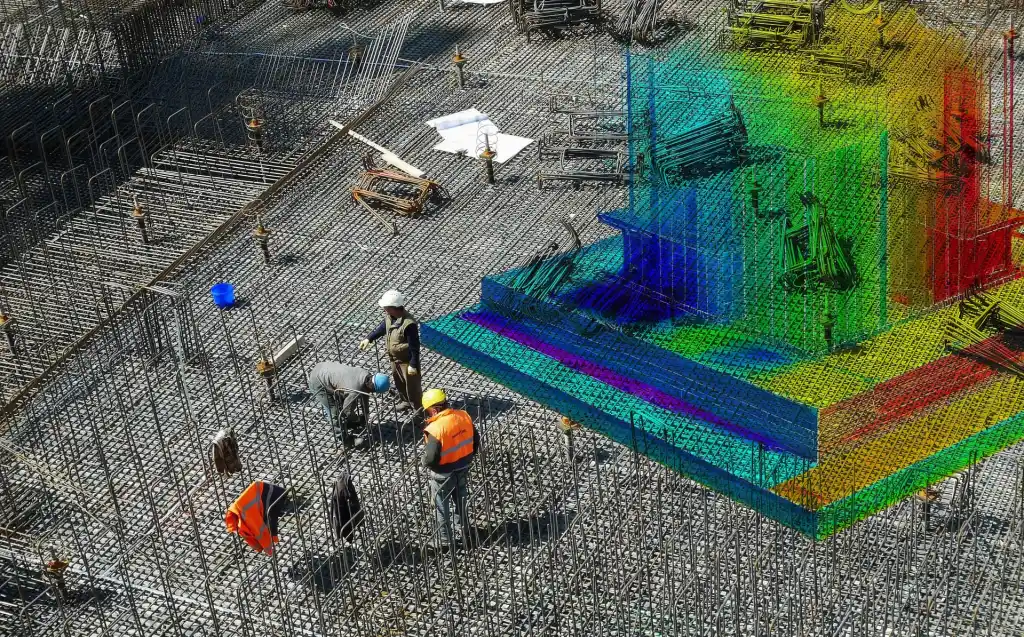
SDC per Ansys è una solida soluzione di verifica strutturale progettata per integrarsi perfettamente con Ansys Mechanical. Questo potente componente aggiuntivo consente agli ingegneri di semplificare la fase di verifica della progettazione con riferimento agli standard di settore, ottenere una maggiore efficienza in termini di materiali e costi e automatizzare il processo di reporting, il tutto all'interno del flusso di lavoro Ansys esistente.
Automatizza i controlli di fatica, deformazione, saldature, bullonerie e progettazione custom rispetto a un'ampia libreria di standard.
Lavora direttamente con i modelli Ansys Workbench .wbpj, eliminando trasferimenti di modelli non necessari.
Identifica rapidamente le opportunità di ottimizzazione in base alla sezione trasversale, ai tipi di saldatura, allo snervamento e agli spessori delle piastre.
Genera report completi con grafici, tabelle e calcoli con un solo clic, perfetto per i sistemi PLM/SPDM.
Utilizza le open API per semplificare i processi e personalizzare SDC per Ansys e soddisfare esigenze specifiche.

Invia le tue domande ai nostri tecnici specializzati!
Mettiti in contatto con uno dei nostri esperti, che ti potrà fornire risposte certe o consigliare soluzioni affidabili.
CASE STUDY
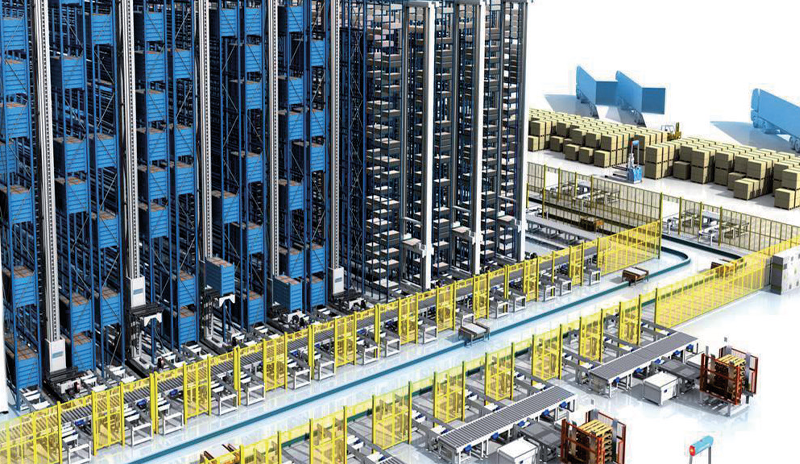
Stacker cranes handle pallet placement in the warehouse, moving longitudinally along the aisles between the warehouse shelves to deposit and retrieve loads. Stacker cranes are susceptible to earthquakes that can damage them and the racks around them.
mechanics civil-engineering

CASE STUDY
In this study the concrete tunnel section is discretized using longitudinal and shear truss fibers, together with stiff coupling elements where a transient heat fire analysis takes place.
construction civil-engineering rail-transport straus7

CASE STUDY
This article presents a business case for the use of simulation methods and technologies in the construction sector, particularly for decision-support in sustainable building design.
civil-engineering construction environmental
CASE STUDY
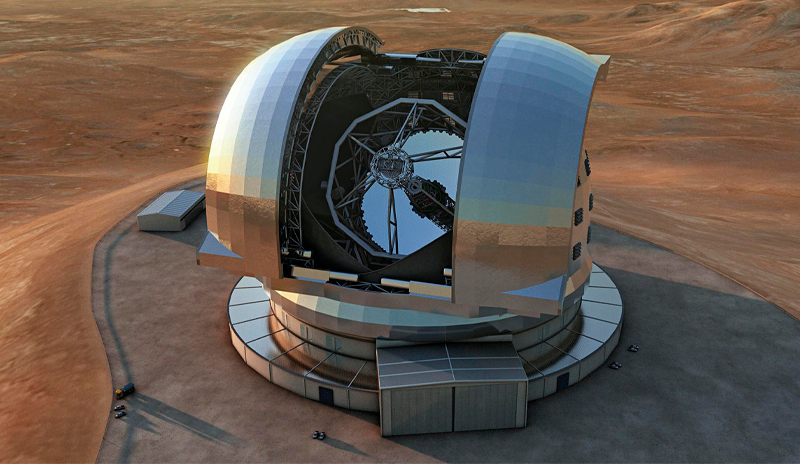
The Extremely Large Telescope (ELT) is a 40m-class optical and infrared telescope being built in Chile. The ELT has a complex geometry, with a rotating structure and a dome that must be protected from wind effects to ensure accurate observations. To study the wind flow within the dome, a computational fluid dynamics (CFD) model was created.
civil-engineering cfd ansys
CASE STUDY
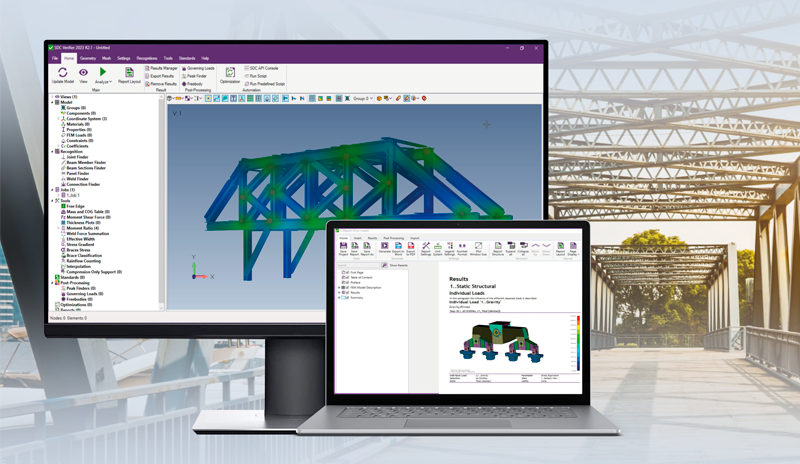
The text discusses the importance of accuracy in steel connection design and introduces SDC Verifier, a software solution that streamlines the process. Steel connections are critical components of civil and structural engineering, ensuring the safe transfer of loads throughout a structure. However, designing and verifying these connections can be time-consuming and error-prone due to complex calculations and compliance with various codes and regulations.
civil-engineering sdc-verifier