Simcenter Flux
Accelera la progettazione di motori, sensori ed attuatori

SimcenterTM FluxTM è un prodotto Siemens
SimcenterTM FluxTM è un prodotto Siemens
Simcenter Flux è un software di simulazione ad alta precisione in grado di catturare l’intera complessità dei sistemi elettromeccanici, permettendo di ottimizzare prestazioni, efficienza, dimensioni, costi e peso. Simcenter Flux consente di simulare condizioni magnetostatiche, in regime permanente e transitorio, oltre a fenomeni elettrici e termici, all’interno di un unico ambiente completo e affidabile.
Da oltre 35 anni Simcenter Flux è il riferimento mondiale per le aziende leader nei settori industriali più avanzati. Grazie alla sua tecnologia in continua evoluzione, Simcenter Flux è uno strumento versatile, potente ed intuitivo che consente ai progettisti di creare prodotti performanti in meno tempo e con un numero ridotto di prototipi.
L'integrazione con la piattaforma Simcenter garantisce una visione completa delle interazioni dinamiche tra sottosistemi e rende l'intero processo di progettazione più fluido e veloce.
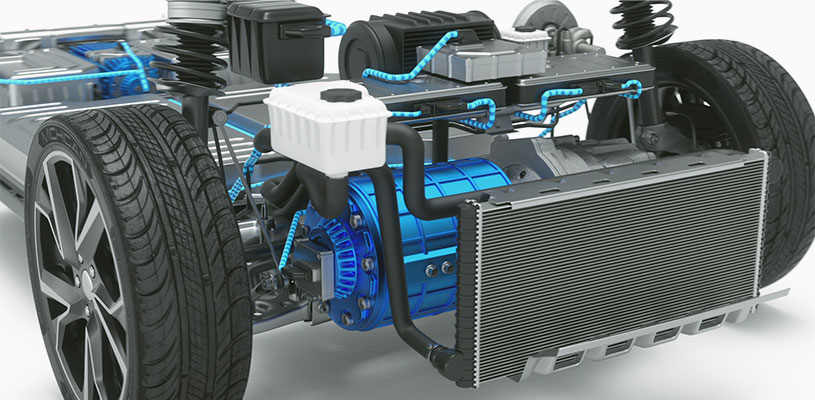
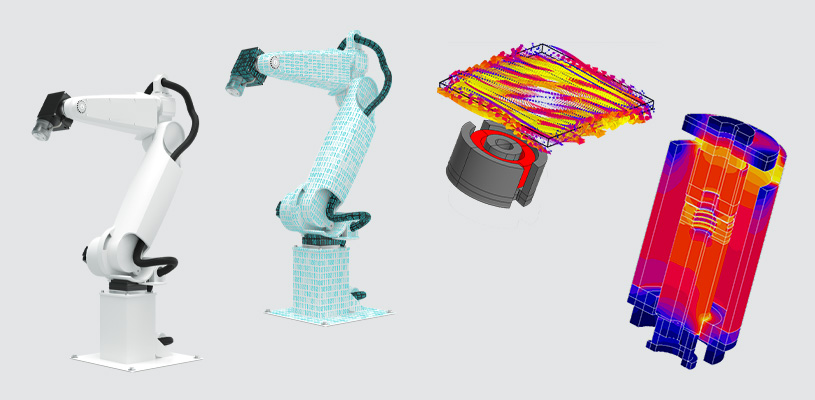
Sfrutta scripting, macro e strumenti multiparametrici all'interno di un ambiente aperto. Ottimizza modelli e solutori, ed automatizza i flussi di simulazione con grande efficienza.
Simcenter Flux vanta una lunga storia di correlazione con misure reali e di riproduzione di fenomeni complessi con elevatissima precisione, offrendo risultati affidabili e ripetibili.
Progetta macchine efficienti, silenziose e robuste grazie alla connessione diretta con Simcenter.
Riduci i tempi di pre processing ed esplora liberamente design innovativi 2D, skew e 3D grazie a sketcher/modeler, funzioni di defeaturing, ambiente dedicato agli e Motor e mesh auto adattiva intelligente.
Approfitta di modelli integrati per magnetismo, elettricità e termica; analisi statica, AC in regime permanente e transitoria; editor di circuiti complessi e corpi rigidi per previsioni realistiche.
Utilizza soluzioni avanzate come bobine non meshate, materiali anisotropi non lineari, isteresi, e una modellazione precisa delle perdite per effetto pelle e prossimità negli avvolgimenti.
Esplora nuove configurazioni grazie a funzionalità multiparametriche supportate da solutori lineari e non lineari altamente affidabili, potenziati da metodi di ottimizzazione e calcolo HPC.
Un post processore versatile consente di analizzare, documentare ed esportare risultati multi parametrici: potenziali, densità di flusso, temperature, campi elettrici e magnetici, grandezze meccaniche e altro ancora.
Collega le diverse fisiche in un unico ciclo di ottimizzazione condividendo modelli, mesh e variabili di progetto per comprendere rapidamente fenomeni complessi.

Invia le tue domande ai nostri tecnici specializzati!
Mettiti in contatto con uno dei nostri esperti, che ti potrà fornire risposte certe o consigliare soluzioni affidabili.
CASE STUDY
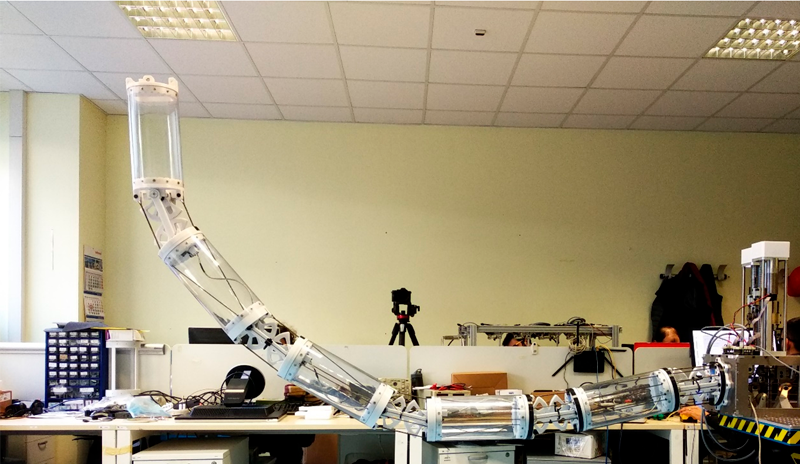
This article discusses a multi-objective optimization study to determine the optimal matrix for the routing of the actuating cable system in order to minimize the cable load on the robot and maximize the robot’s payload.
optimization modefrontier mechanics electronics
CASE STUDY
The adoption of SBES has significantly increased in the last two decades, driven by advancements in computing technology and the rise of Industry 4.0, which promotes nine key enabling technologies, including engineering simulation and big data analytics. SBES is crucial for the integration and automation of production systems, improving flexibility, speed, and quality.
automotive construction energy cfd metal-process-simulation
CASE STUDY
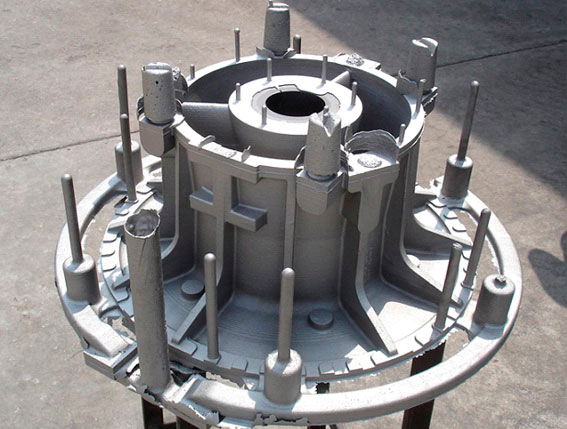
The scope of this study was to determine and validate a more efficient simulation procedure for the design phase of Al-Si alloy components for the aeronautical industry.
aerospace magma metal process simulation
CASE STUDY
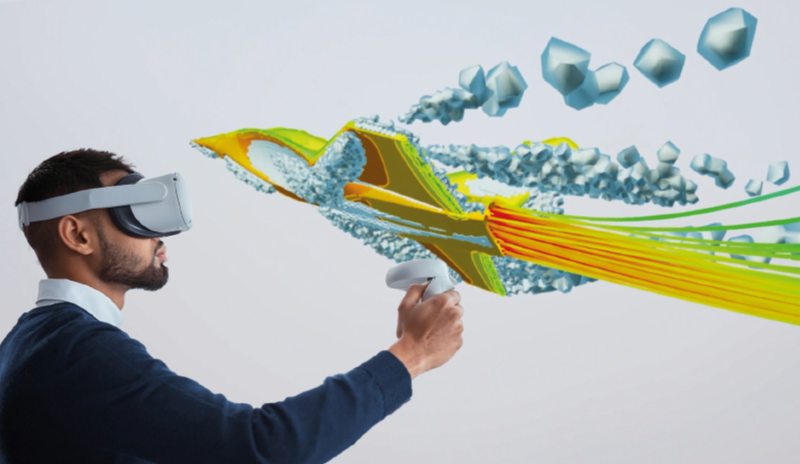
This paper explores the transformative potential of Extended Reality (XR)—encompassing Virtual Reality (VR), Augmented Reality (AR), and Mixed Reality (MR)—when integrated with Artificial Intelligence (AI) in industrial and engineering applications. XR technologies enable businesses to visualize, interact, and optimize product designs, training processes, and customer support functions.
digital-manufacturing optimization artificial-intelligence
CASE STUDY
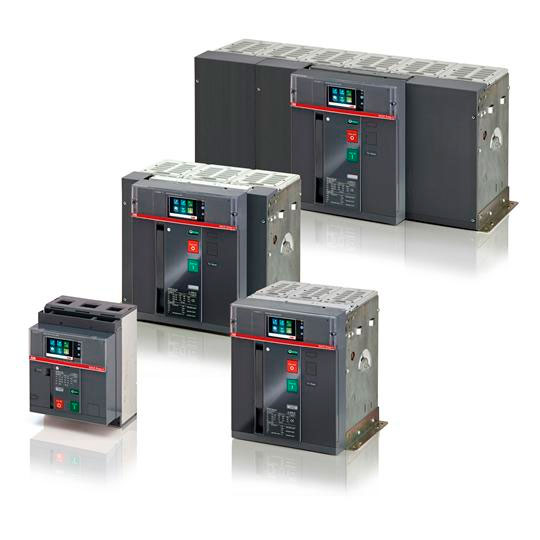
In this technical case study, we illustrate how EnginSoft engineers helped ABB to optimize the design of the Emax2 project.
tolerances electronics mechanics eztol cetol