Easy Testing
La soluzione intelligente per la gestione delle prove delle celle motore

Semplifica, controlla ed ottimizza ogni fase del testing
Easy Testing è una piattaforma integrata e flessibile progettata per semplificare la configurazione e la gestione delle prove nelle celle motore. Pensata per realtà altamente specializzate, permette di organizzare, monitorare e analizzare ogni test in modo centralizzato, garantendo efficienza e precisione operativa.
Ideale per fornitori di tecnologie avanzate nel settore automotive e per le principali case automobilistiche, Easy Testing è lo strumento strategico per migliorare i processi di validazione e controllo qualità.
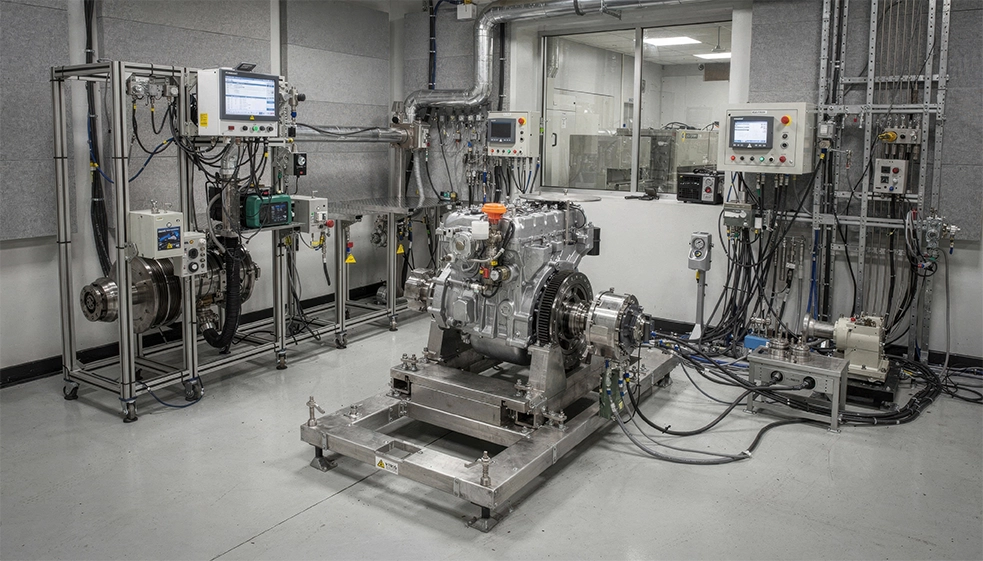
Interfaccia intuitiva per una gestione rapida e senza complessità
Migliora l'efficienza operativa delle celle motore
Programmazione precisa e flessibile delle prove
Riduzione dei tempi e miglioramento della produttività
Monitoraggio completo di tutte le attività da un'unica piattaforma
Progettata esplicitamente per il settore automotive
Supportata da esperienza e know-how consolidato
Inserisci e gestisci facilmente nuove richieste di test, specificando tipologia, priorità e dati fondamentali.
Avvia le prove (start test) e monitorane l'esecuzione in modo strutturato e tracciabile.
Raccogli dati qualitativi tramite survey dedicate, compilabili al termine di ogni prova.
Organizza le prove in modo dinamico: pianifica, modifica e rialloca le attività in base alle esigenze produttive.
Accedi a report completi e personalizzati, con informazioni su stato, tempi, tipologia di test e altri parametri chiave.
Ogni prova è identificata da un codice univoco per garantire controllo, storico e trasparenza in ogni fase del processo.

Scopri come Easy Testing può semplificare e ottimizzare la gestione delle prove nelle tue celle motore. Contattaci per approfondire tutte le funzionalità.
Ask the expert
CASE STUDY
Motorsport’s competitive demands drive innovation, such as optimizing fuel tank performance by reducing sloshing and ensuring efficient fuel extraction. This study explores a meshless CFD approach using Moving Particle Simulation (MPS) to streamline workflows and reduce computational costs compared to traditional finite volume method (FVM) CFD.
automotive cfd particleworks
CASE STUDY
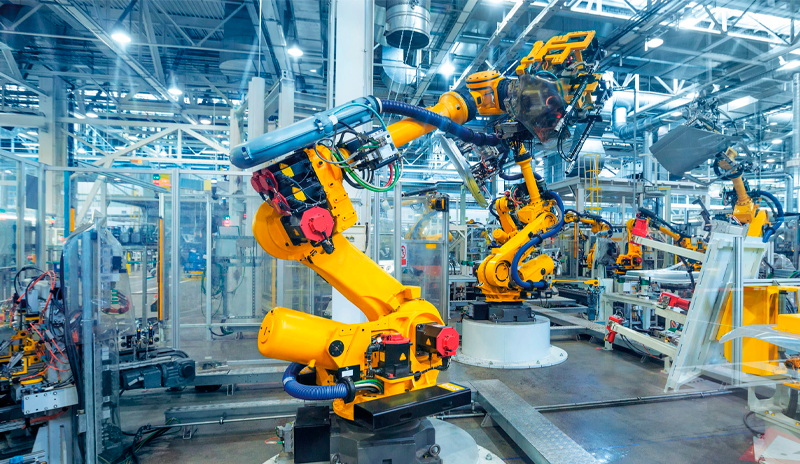
The text discusses the importance of digital simulation models in modern factory design and reconfiguration, particularly in response to shorter product lifecycles and increased customization demands. Traditional design methods often lead to inefficiencies and high costs, making digital simulation essential for creating flexible and adaptable production systems. The article highlights a case study involving a furniture assembly factory, where a manufacturer needed to efficiently handle a variety of custom kitchen cabinet orders. The system integrator was tasked with designing a robotic assembly line that could maintain production efficiency despite the high variety of products.
industry4 SIMUL8
CASE STUDY
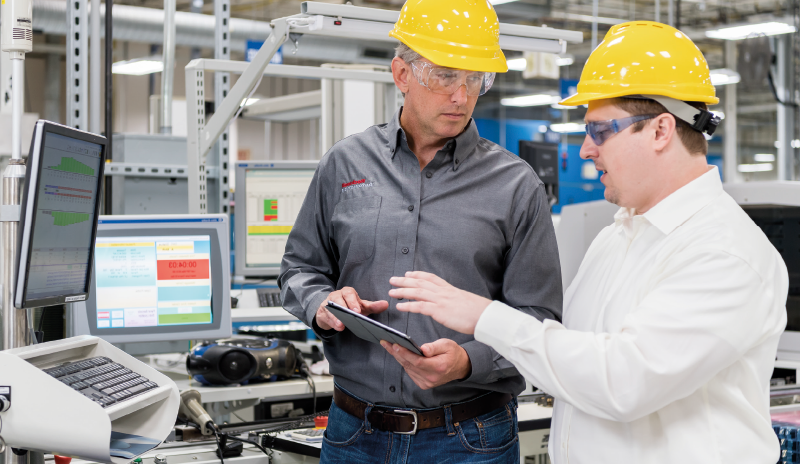
ECM Technologies has significantly streamlined the design, installation, and commissioning of its large-scale heat treatment systems for the automotive industry by using digital twin technology and Rockwell Automation’s Emulate3D software. Faced with tight timelines and software compatibility challenges during a major project in Mexico, ECM used virtual models to simulate and test their systems in parallel with production. This approach reduced commissioning time by 50%.
digital-manufacturing emulate3d industry4 rockwell
CASE STUDY
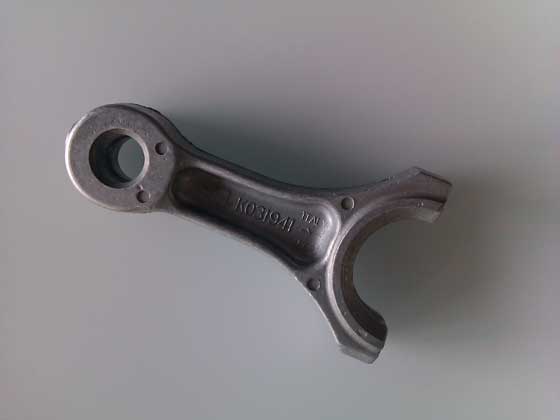
Connecting rods connect the pistons to the crank shaft in automotive engines and are vital components of the engine. Connecting rods are traditionally produced in ferrous metals by forging or die casting.
metal-process-simulation automotive magma

CASE STUDY
This detailed technical case study describes how the students arrived at a supersonic aircraft drone prototype using MATLAB and modeFRONTIER in order to reduce the time and costs of numerical and wind-tunnel testing.
automotive modefrontier optimization