Easy Testing
The smart solution for managing engine test bench operations

Simplify, control, and optimize every testing phase
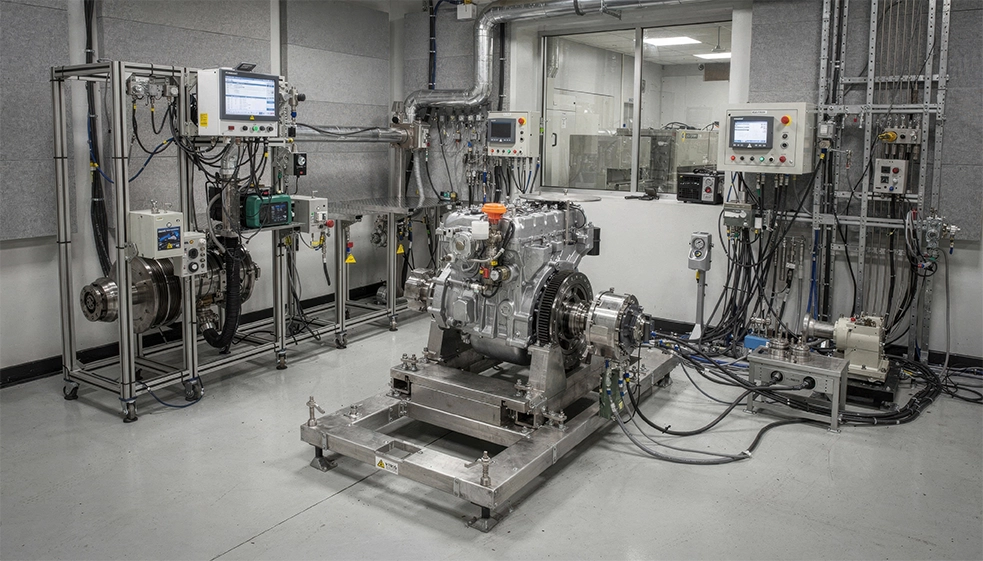
Easy Testing is an integrated and flexible platform designed to simplify the configuration and management of testing activities in engine test cells. Developed for highly specialized environments, it enables the organization, monitoring, and analysis of every test through a centralized system, ensuring operational efficiency and accuracy.
Ideal for advanced technology suppliers in the automotive sector and leading automotive manufacturers, Easy Testing is the strategic solution for improving validation processes and quality control.
An intuitive interface for fast, hassle-free management
Improves the operational efficiency of engine cells
Precise and flexible test planning
Reduced processing times and improved productivity
Comprehensive monitoring of all activities from a single platform
Specifically designed for the automotive sector
Backed by extensive experience and consolidated expertise
Easily create and manage new test requests by specifying the type, priority, and key parameters.
Start tests and monitor their execution in a structured and fully traceable way.
Collect qualitative data through dedicated surveys, to be completed at the end of each test.
Organize tests dynamically: plan, modify, and reassign activities based on production needs.
Access comprehensive and customizable reports with information on status, timing, test types, and other key parameters.
Each test is identified by a unique code, ensuring control, historical tracking, and transparency at every stage of the process.

Discover how Easy Testing can simplify and optimize the management of your engine test bench operations. Contact us to explore all its features in detail.
Ask the expert
CASE STUDY
In this example, a tracked bulldozer was simulated to evaluate the dynamic behavior of the vehicle on different terrains and with different obstacles. The model can also be used to calculate the loads operating on the vehicle’s structure..
recurdyn automotive mechanics multibody
CASE STUDY
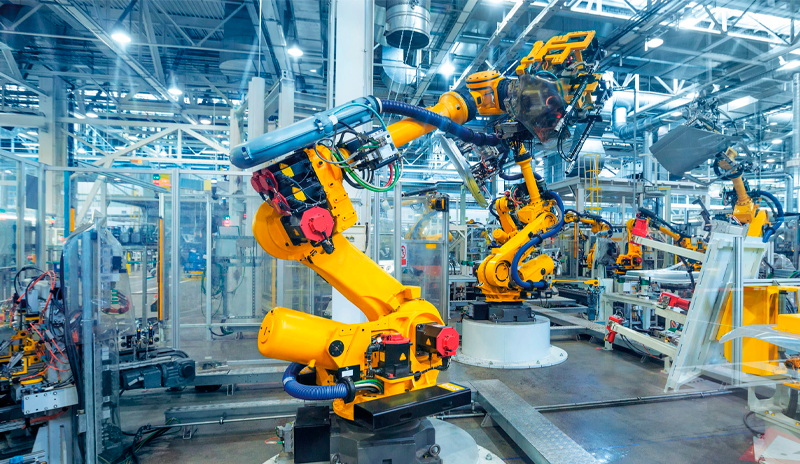
The text discusses the importance of digital simulation models in modern factory design and reconfiguration, particularly in response to shorter product lifecycles and increased customization demands. Traditional design methods often lead to inefficiencies and high costs, making digital simulation essential for creating flexible and adaptable production systems. The article highlights a case study involving a furniture assembly factory, where a manufacturer needed to efficiently handle a variety of custom kitchen cabinet orders. The system integrator was tasked with designing a robotic assembly line that could maintain production efficiency despite the high variety of products.
industry4 SIMUL8

CASE STUDY
Motorsport’s competitive demands drive innovation, such as optimizing fuel tank performance by reducing sloshing and ensuring efficient fuel extraction. This study explores a meshless CFD approach using Moving Particle Simulation (MPS) to streamline workflows and reduce computational costs compared to traditional finite volume method (FVM) CFD.
automotive cfd particleworks
CASE STUDY
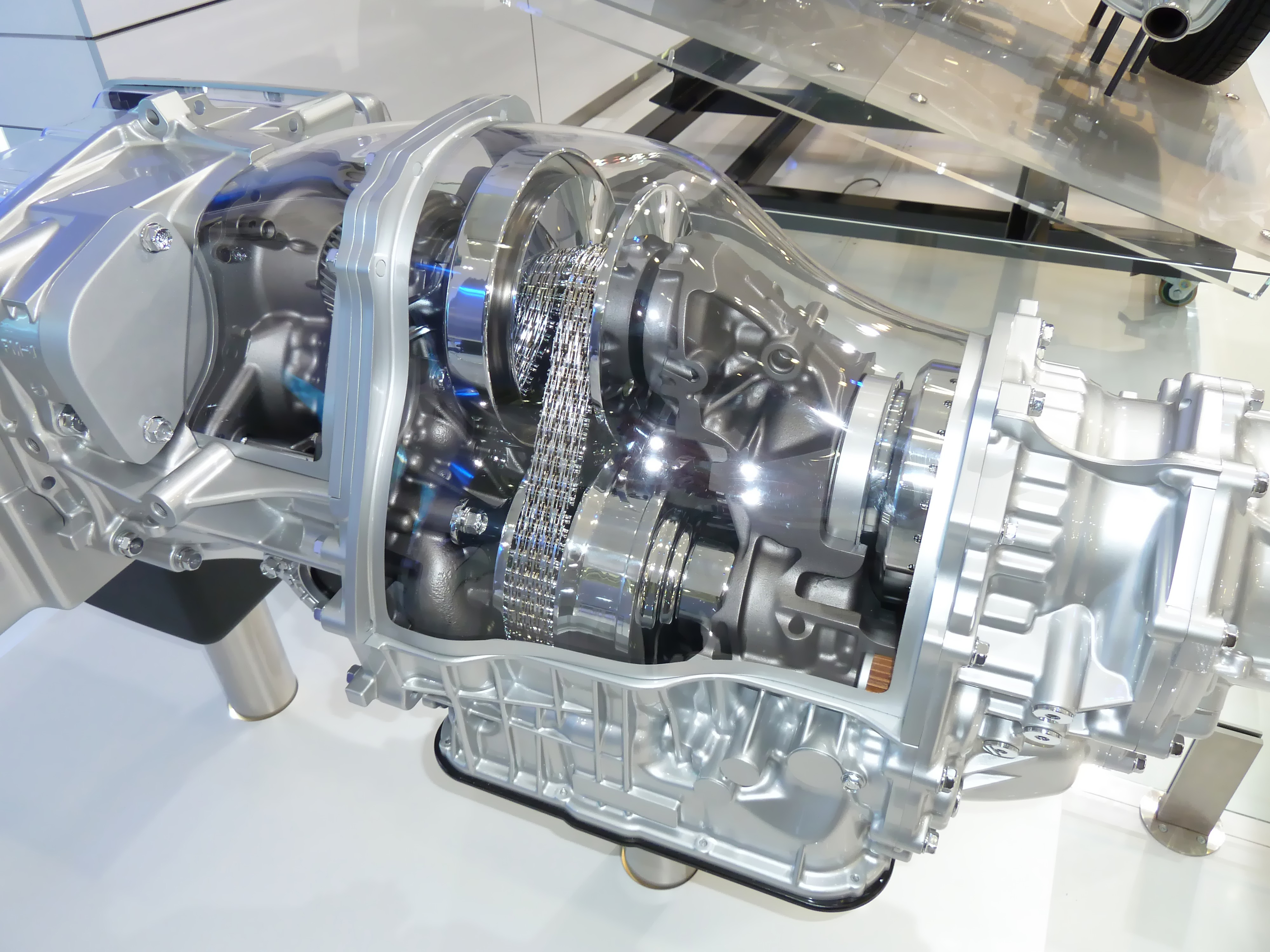
RecurDyn software allows belt-type systems, including CVTs, to be both modelled and simulated accurately. The dedicated “Belt Toolkit”, which is an automated modeling assistant, includes all of the components found in a belt-type transmission.
automotive rail-transport recurdyn

CASE STUDY
In this article, we describe how Piaggio used computer-assisted engineering simulation to evaluate the structural safety, performance and dynamic behavior of the driving mechanism of a two-wheeled vehicle under both normal and spurious operating conditions, specifically static and fast dynamic conditions.
automotive multibody