Abstract
The text discusses the importance of digital simulation models in modern factory design and reconfiguration, particularly in response to shorter product lifecycles and increased customization demands. Traditional design methods often lead to inefficiencies and high costs, making digital simulation essential for creating flexible and adaptable production systems.
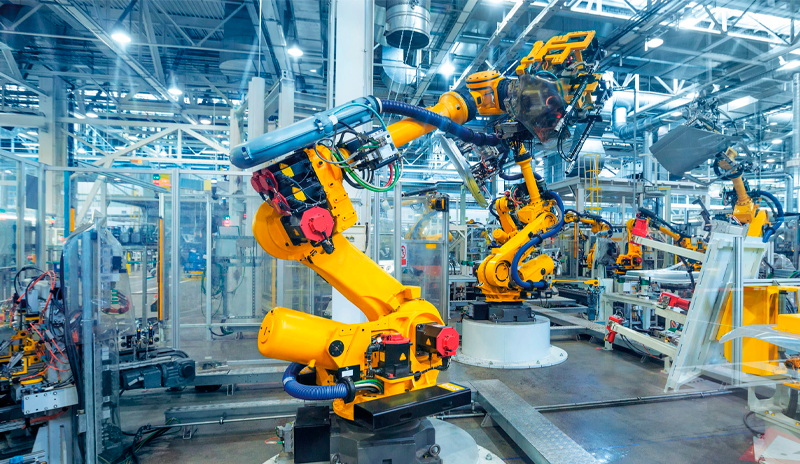
The article highlights a case study involving a furniture assembly factory, where a manufacturer needed to efficiently handle a variety of custom kitchen cabinet orders. The system integrator was tasked with designing a robotic assembly line that could maintain production efficiency despite the high variety of products.
The key challenges included minimizing downtime and optimizing order batching to reduce production changes. The design process utilized a digital simulation approach through different steps, concluding that the digital simulation significantly reduces investment risks, optimizes resource use, and shortens design time by identifying potential issues early in the development process. Ultimately, the simulation model can also support operational management, enhancing efficiency throughout the production lifecycle.
Read the article