Synoptic
Intelligent Test Room Monitoring

Centralized control, advanced analytics, and immediate intervention.
Synoptic is designed to provide complete and centralized control of test benches, integrating advanced analysis tools and enabling quick and targeted intervention when needed. It is a cutting-edge solution developed to support companies in improving performance, optimizing operational efficiency, and ensuring process continuity.
This system is particularly suited to industrial environments operating in technologically advanced sectors, such as the production of electro-mechanical components, machinery and machine tools, engines and propulsion systems, electric motors and hybrid solutions, as well as electrical components such as batteries.
Synoptic is built to support every stage of the production cycle, from research and development to full-scale manufacturing, providing reliable and structured support across all operational areas.
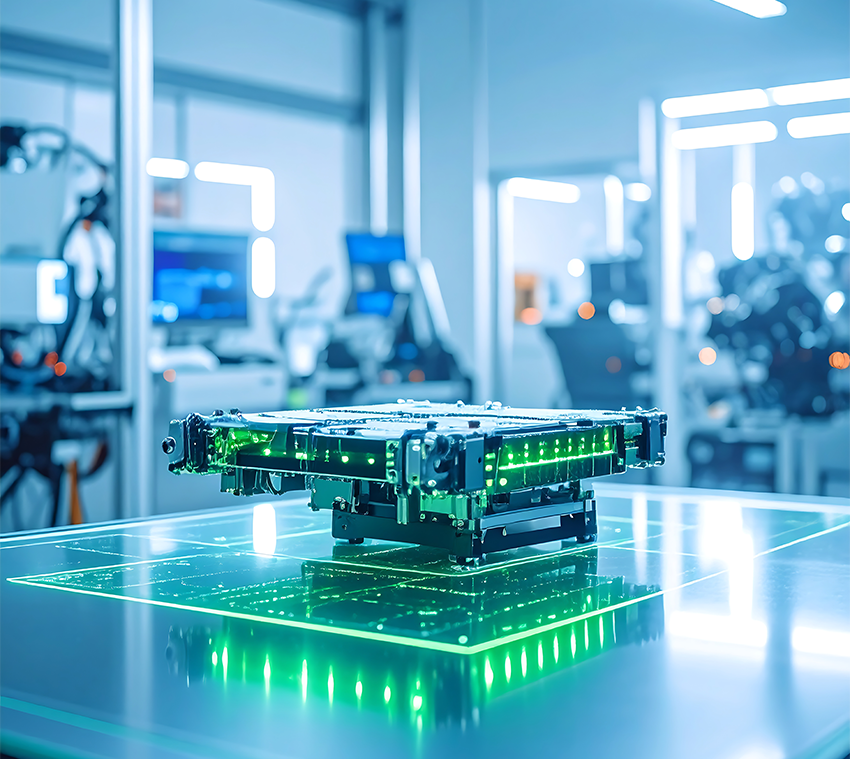
Complete and centralized control of all critical parameters (status, temperature, alarms), ensuring full supervision of operations.
An intuitive and user-friendly interface: no complex training required, allowing for immediate operational readiness.
Configurable alert systems to promptly detect and resolve any anomalies.
Information sharing across different locations, real-time remote data access, and protection through secure authentication systems.
Synoptic enables comprehensive management of each individual test cell, providing tools to configure master data and continuously monitor operational parameters. The analysis functionalities are highly customizable, allowing the system to be tailored to specific needs and ensuring precise control over the performance of each cell.
Through a centralized console, Synoptic allows all test cells to be supervised via a single interface, accessible both from PCs and remote displays. This provides an immediate and coordinated overview across different locations of plant status, equipment usage hours, operational efficiency, future planning, and alarm management.
The system includes a comprehensive administrative panel that allows users to configure cells, manage measurement instruments, and define the parameters to be monitored along with their related alerts. Synoptic also offers the ability to generate custom reports and manage analysis benches using the AK language, ensuring a high level of operational flexibility and adaptability.

With Synoptic, test room monitoring evolves into an intelligent system capable of improving operational efficiency, reducing downtime, increasing process control, and supporting decision-making through clear and up-to-date data.
Contact us to discover the full potential of the solution.
CASE STUDY
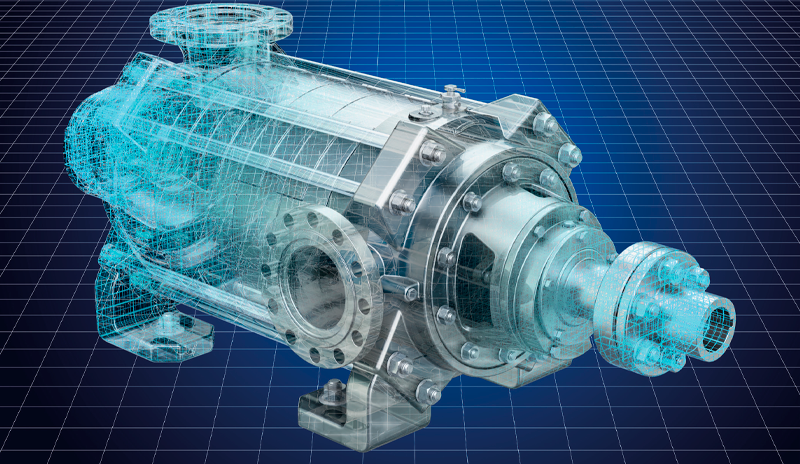
In a recent interview, Enrico Boesso (EnginSoft) and Daniel Campbell (Capvidia) discussed how Model-Based Definition (MBD) is transforming manufacturing by replacing traditional 2D drawings with data-rich 3D models as the "single source of truth".
comparevidia mbdvidia tolerances digital-manufacturing mechanics
CASE STUDY
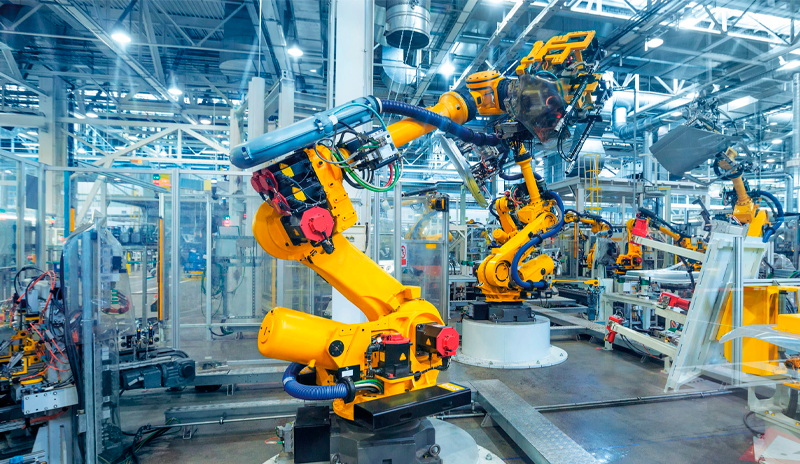
The text discusses the importance of digital simulation models in modern factory design and reconfiguration, particularly in response to shorter product lifecycles and increased customization demands. Traditional design methods often lead to inefficiencies and high costs, making digital simulation essential for creating flexible and adaptable production systems. The article highlights a case study involving a furniture assembly factory, where a manufacturer needed to efficiently handle a variety of custom kitchen cabinet orders. The system integrator was tasked with designing a robotic assembly line that could maintain production efficiency despite the high variety of products.
industry4 SIMUL8
CASE STUDY
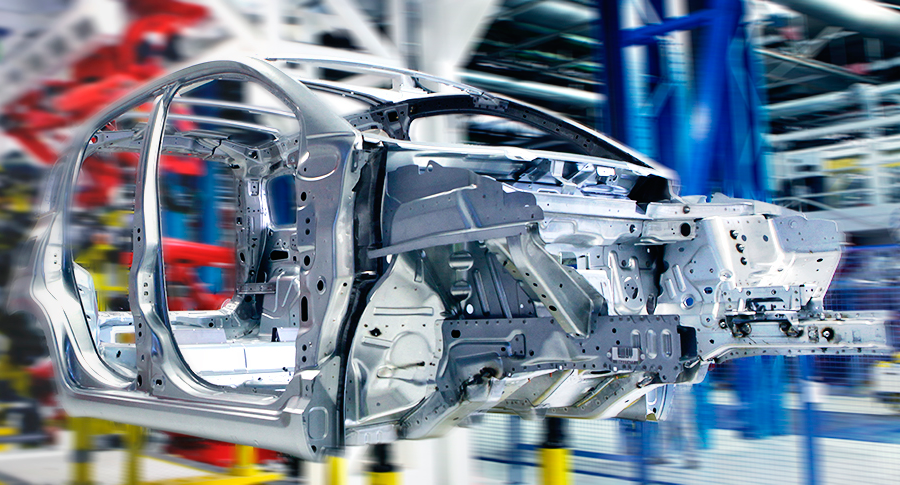
In this case study, EnginSoft engineers explain how they used modeFRONTIER to assist Comau, a Fiat Chrysler subsidiary, to optimize their approach to the preliminary design of production systems for automotive manufacturing system RFQs.
automotive optimization rail-transport modefrontier SIMUL8 iphysics industry4
CASE STUDY
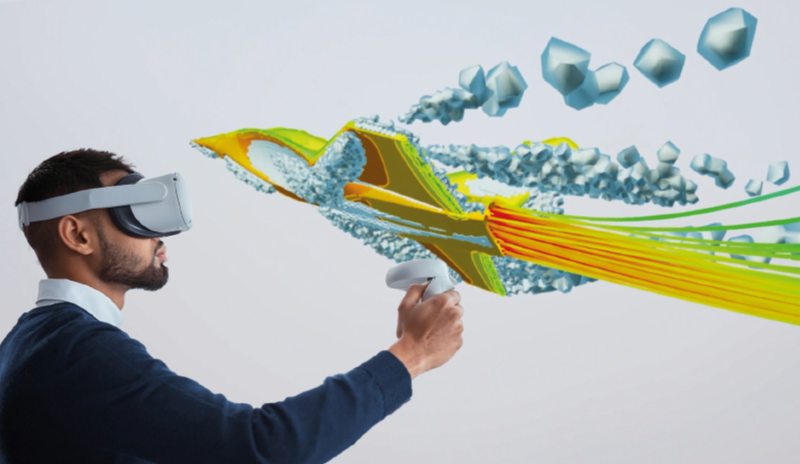
This paper explores the transformative potential of Extended Reality (XR)—encompassing Virtual Reality (VR), Augmented Reality (AR), and Mixed Reality (MR)—when integrated with Artificial Intelligence (AI) in industrial and engineering applications. XR technologies enable businesses to visualize, interact, and optimize product designs, training processes, and customer support functions.
digital-manufacturing optimization artificial-intelligence
CASE STUDY
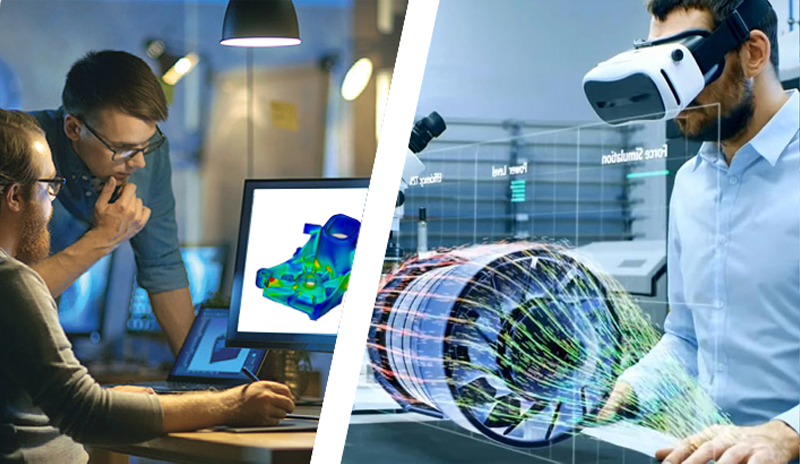
At this particular moment in time, this article wishes to reflect on the evolution of CAE and simulation in an effort to present a big-picture view when most of us are daily dealing with all the devil in the details in every aspect of our lives. We approached some long-standing business friends in engineering simulation from various regions around the world to help us in this task
ansys industry4 news