SIMUL8
Manufacturing systems simulation, process digital twin, performance improvement and optimization

SIMUL8 is a product of SIMUL8 Corporation.
SIMUL8 is a product of SIMUL8 Corporation.
SIMUL8 is a software for modeling, simulating, analyzing and optimizing the system-level performance of production systems during their design, reconfiguration and production planning phases. The simulation building blocks allow to create accurate system models of complex system architectures, such as production lines, job shops, robotics cells, assembly systems and complex product flows.
SIMUL8 supports a wide range of scale and complexity of manufacturing systems modeling: rapidly create a preliminary model requires limited information e.g. from a process list and from the 2D layout of the plant, and progressively detail the simulation as needed. Simulation models can be adapted according to the manufacturing system type (discrete events, agent-based, continuous and hybrid simulations).
SIMUL8 provides decision makers with critical information, such as:
Simulation models can be easily connected to optimization algorithms by considering output objectives (throughput, quality yield), and constraints (machine capacities, failure rates, shift patterns, and other factors affecting the total performance and efficiency of production systems).
Therefore, SIMUL8 allows to evaluate the effect of different scheduling policies, batch and production flow management and operators, maintenance policies, the impact of system modification interventions (modification of the layout, replacement of machinery, interventions aimed at reducing the average return time of certain events, etc.), evaluate the effect of launching new products variants, etc. and to identify the best tradeoff solutions in the face of conflicting objectives (e.g. costs vs. productivity).
Simulations are visual and animated, allowing to easily verify what’s happening in a process as time progresses. Web-based simulation: seamlessly build, run and share simulations and results between SIMUL8 web browser and desktop editions.



Send your technical questions to our experts!
Connect you with an EnginSoft expert who can provide a reliable answer to your technical question or recommend a
proven solution.
CASE STUDY
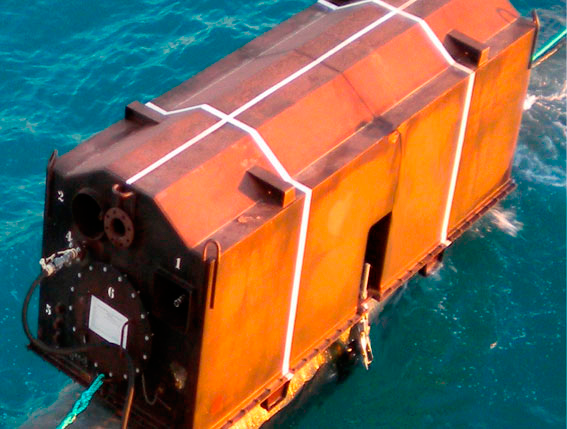
A developer of innovative equipment designed a system to simplify the towing and laying down of marine pipelines in shallow water fields.
energy modefrontier optimization oil-gas recurdyn
CASE STUDY
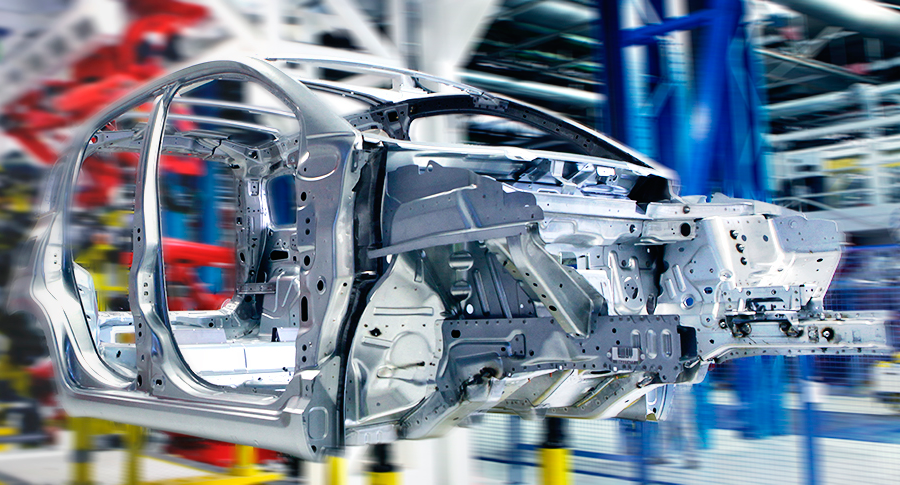
In this case study, EnginSoft engineers explain how they used modeFRONTIER to assist Comau, a Fiat Chrysler subsidiary, to optimize their approach to the preliminary design of production systems for automotive manufacturing system RFQs.
automotive optimization rail-transport modefrontier SIMUL8 iphysics industry4

CASE STUDY
Modern propeller requirements involve many different characteristics, not limiting only to maximum efficiency, but considering also propeller cavitating behavior and, more and more, its side effects, in terms of radiated noise and pressure pulses.
marine modefrontier optimization
CASE STUDY
A developer of innovative equipment designed a system to simplify the towing and laying down of marine pipelines in shallow water fields.
energy modefrontier optimization oil-gas recurdyn
CASE STUDY
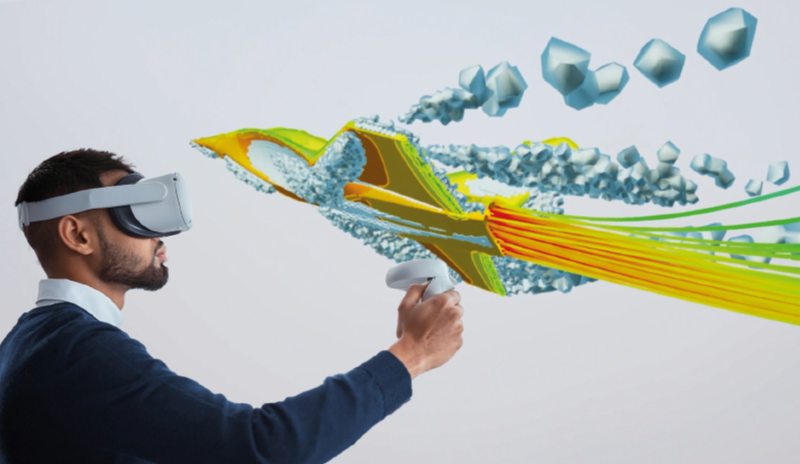
This paper explores the transformative potential of Extended Reality (XR)—encompassing Virtual Reality (VR), Augmented Reality (AR), and Mixed Reality (MR)—when integrated with Artificial Intelligence (AI) in industrial and engineering applications. XR technologies enable businesses to visualize, interact, and optimize product designs, training processes, and customer support functions.
digital-manufacturing optimization artificial-intelligence

