Simcenter Optistruct
One Model. One Solver. One Optimizer.

SimcenterTM Optistruct® is a Siemens product
SimcenterTM Optistruct® is a Siemens product
Simcenter Optistruct delivers far more than structural analysis. With over 30 years of continuous development, it has evolved into a robust multiphysics and multidisciplinary simulation and optimization platform, covering both implicit and explicit analysis. When engineers adopt the One Model, One Solver philosophy, the benefits become immediately evident: streamlined workflows, comprehensive analysis capabilities, and faster results — all without sacrificing accuracy.
True optimization goes beyond improving a single design parameter. It requires evaluating every physical behavior of a product and refining the entire system inside one integrated environment. Simcenter Optistruct makes this level of innovation not only possible, but efficient.

Traditionally, engineers have had to rely on multiple CAE tools and separate models to analyze different physical phenomena. With Simcenter Optistruct, they can perform a wide range of multiphysics studies using a single model. The platform seamlessly combines structural and multiphysics analysis, connecting implicit and explicit solvers to support durability, heat transfer, acoustics, fatigue, and more — accelerating development and time to market.
Switching tools and converting models often disrupts productivity. With its open architecture, Simcenter Optistruct allows engineers to incorporate third-party code, customize features, and integrate with leading CAE technologies — all while maintaining the One Model, One Solver workflow. Collaboration and feature extension become smooth and efficient across software ecosystems.
Renowned for its optimization capabilities, Simcenter Optistruct supports lightweighting, structural refinement, multi-model and nonparametric shape optimization, and advanced multi-material topology studies. Engineers can optimize designs for stiffness, strength, weight, manufacturability, composite materials, lattice structures, fatigue performance, sustainability, and more. This advanced multi attribute framework enables rapid iteration, design space exploration, and better decision-making throughout product development.
Evaluate, optimize, and validate designs using linear and nonlinear solvers for stiffness, strength, dynamics, vibrations, acoustics, fatigue, heat transfer, FSI, electric potential, electrostatics, and more.
Analyze complex material behavior — including composites, lattice structures, and nonlinear materials such as viscoelastic, elastoplastic, and hyperelastic — with direct integration to Simcenter Material Data Center or user defined materials.
Assess vibrations, frequency response, acoustics, and NVH performance. Utilize cutting-edge solvers such as AMSES (automated multilevel substructuring eigenvalue solver) and FASTFR for fast frequency response assessments.
Benefit from advanced nonlinear capabilities including modern contact algorithms, bolt and gasket modeling, elastic plastic / hyperelastic / viscoelastic / viscoplastic material models, and large deformation analysis.
Perform drop tests, crash simulations, impacts, damage assessments, erosion, and material behavior beyond the elastic range.
Simulate thermomechanical phenomena, fluid structure and electromagnetic structure coupling, and integrate with manufacturing process simulation to model real world product performance.

Send your technical questions to our experts!
Connect you with an EnginSoft expert who can provide a reliable answer to your technical question or recommend a
proven solution.
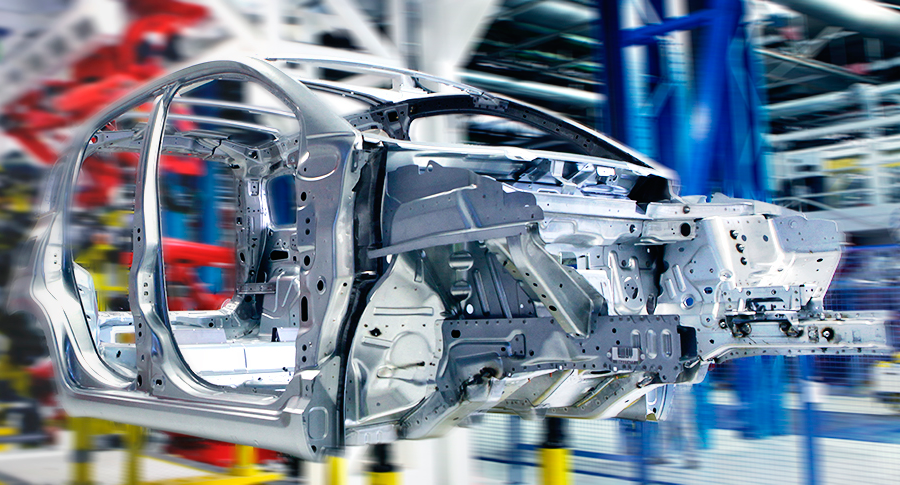
CASE STUDY
In this case study, EnginSoft engineers explain how they used modeFRONTIER to assist Comau, a Fiat Chrysler subsidiary, to optimize their approach to the preliminary design of production systems for automotive manufacturing system RFQs.
automotive optimization rail-transport modefrontier SIMUL8 iphysics industry4

CASE STUDY
The adoption of SBES has significantly increased in the last two decades, driven by advancements in computing technology and the rise of Industry 4.0, which promotes nine key enabling technologies, including engineering simulation and big data analytics. SBES is crucial for the integration and automation of production systems, improving flexibility, speed, and quality.
automotive construction energy cfd metal-process-simulation
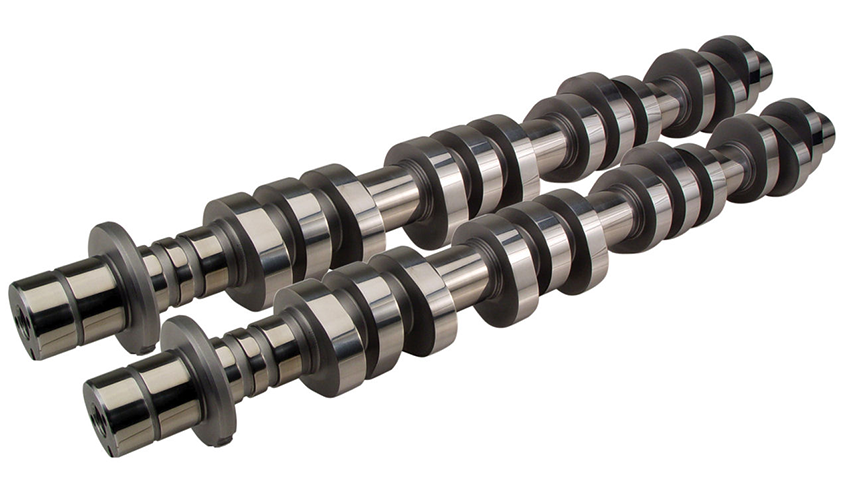
CASE STUDY
This technical case study explains the application of a two-step methodology using the MATLAB and Adam algorithms in the modeFRONTIER software platform.
optimization modefrontier automotive
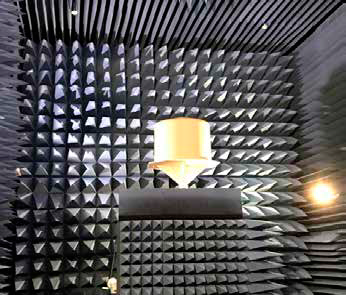
CASE STUDY
Elettronica SpA designs and produces systems for electronic warfare. Each system design is unique according to its platform and purpose. In this article, the company describes how it used CAE to approach the challenging design of a single sandwich radome.
ansys optimization electronics

CASE STUDY
This article provides a non-exhaustive overview of some of the latest advances in the adoption of CAE technologies in the medical field by citing some ongoing EU research programs.
rbf-morph biomechanics