Aeronautics
A virtual design environment dedicated to the study of surface hardening (carburizing and nitride hardening) and of welding of alloy steel products.
The STAR-EXD project had as its objective the realization of a software platform, consisting of a virtual design environment through which it is possible to monitor and analyze, in a single logical stream, the different design and procedural steps associated with the construction of a mechanical element. Since the platform is aimed at the aviation industry, production processes and subsequent post-treatments that are particularly important for this sector (foundry, surface treatment, welding ...) have been selected.
The distinctiveness of the STAR-EXD project platform is the use of meta-models, taken from specifically targeted trial campaigns, in order to study and optimize carburizing and nitride surface hardening treatments, and a welding process.
The STAR-EXD design platform concerns the study of carburizing and nitride hardening treatments and of the welding process, by numerical approach. Specifically, the application of response surface methodology (RSM) gives access to predictive meta-models relating to the investigated phenomena. The integration of these meta-models in a logical flow that includes the study of the operating conditions, allows evaluating and optimizing the performance of an element subjected to such treatment.
The Role of EnginSoft: IT development of the platform; DOE (experimental design); development (calibration - validation) of the meta-models representing the performances under assessment; coordination of partners’ activity.
EnginSoft SpA | Università del Salento
Funding Scheme POR PUGLIA 2007-2013, Asse I Linea 1.1 – Azione 1.1.2 - Bando "Aiuti agli Investimenti in Ricerca per le PMI"


Some of our competences in research and technology transfer
Research project
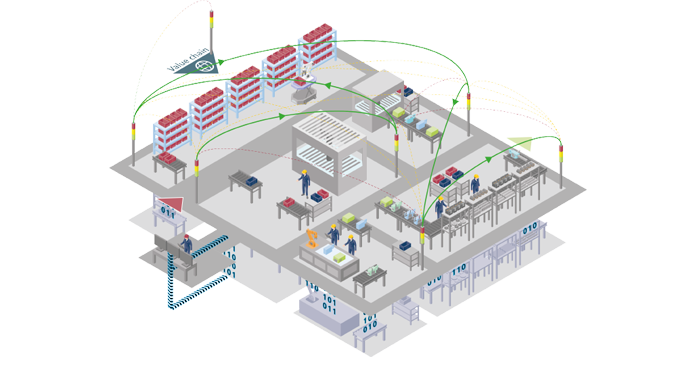
The overall objective of the RaRe2 project is to create a flexible and resilient Holistic Ecosystem Platform powered by the interactions of many European organizations interested in cooperating in the rapid reconfiguration of process chains through collaborative systems and adaptive workforce up-skilling.
Research project
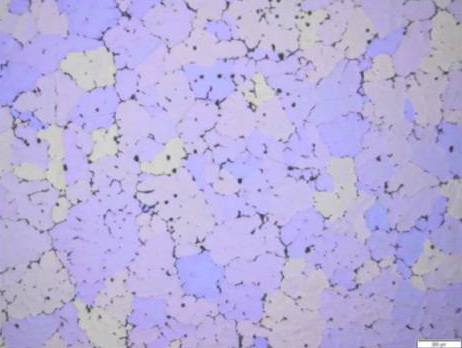
L’innovatività del progetto GAP consiste nello sviluppo di materiali metallici innovativi, con potenzialità applicative multi-settoriali, incrementate dalla sperimentazione di nuove tecnologie specifiche (utilizzo di anime ceramiche per la pressocolata, trattamenti superficiali, metodologie di giunzione).
Research project
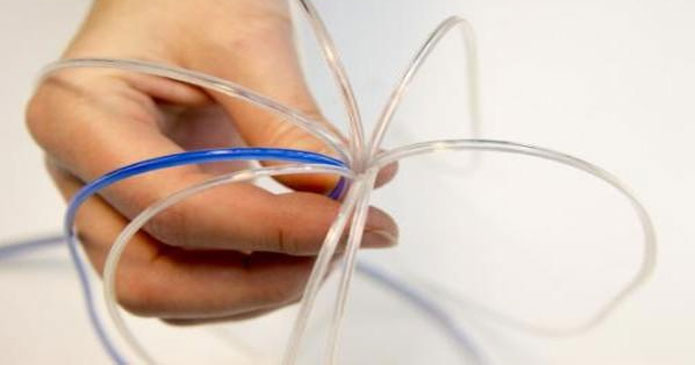
The ForZDM project developed and demonstrated tools to support the rapid implementation of Zero-Defect Manufacturing solutions in industry, and to design more competitive and robust multi-stage manufacturing systems.